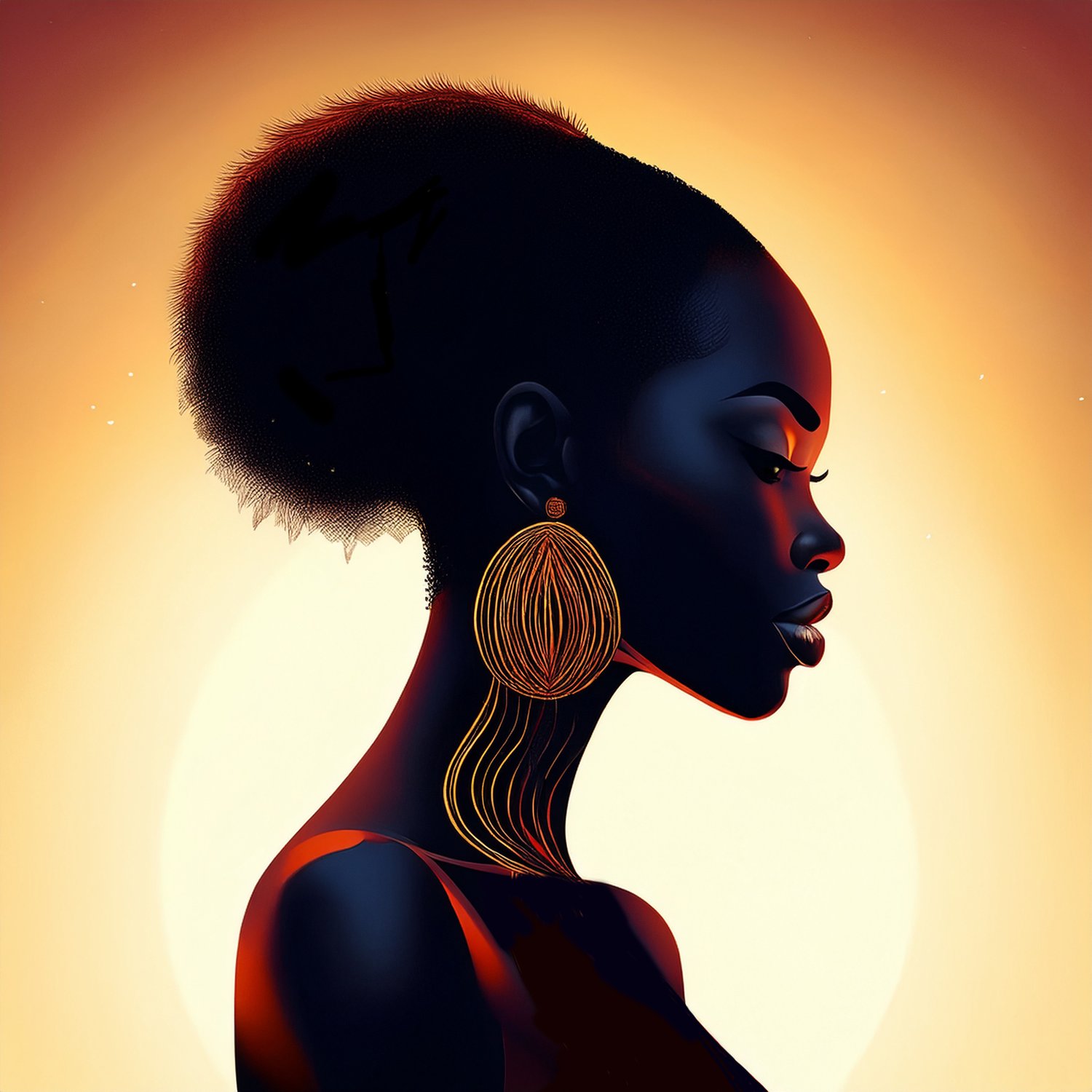
The Slow Dismantling of Our Civil Rights
Introduction
Do Black people over-victimize themselves? Do we see things that aren’t there? I have heard this argument—that because we are in 2026 and we are not living under slavery or Jim Crow, racism somehow doesn't exist anymore. But racism is not limited to segregation and slavery. There is ample evidence that we are still fighting for justice; this post is about how our government is dismantling the Civil Rights Act before our eyes. One of the clearest examples is Louisiana v. Callais, a 2026 Supreme Court ruling holding that Louisiana's second majority-Black congressional district was an unconstitutional racial gerrymander, significantly weakening Section 2 of the Voting Rights Act and making it harder to challenge voting maps that dilute minority voting power. “Racial gerrymandering is the illegal practice of manipulating electoral district boundaries to dilute or minimize the voting power of racial minority groups.” However, the exact opposite was done because these districts were created FOR THE STRENGTHENING OF A RACIAL MINORITY. Despite this, the government still went ahead with the ruling, which could signal a potential decline in our rights. The rollback of voting rights protections made specifically for us in the Civil Rights Act of 1964 shows that racism is not just a part of history—it continues to shape our world today.
What's Happening Now?
The ruling significantly narrows the ability to use the Voting Rights Act to challenge congressional maps that diminish the political power of minority communities, making those challenges much more difficult to win. For decades, Section 2 of the Voting Rights Act allowed courts to consider whether voting maps denied minority voters equal opportunities to participate in the political process. States can now successfully argue that if redistricting can help in another way, the effect on people of color does not matter. This new ruling could affect your impact in the polls. For example, elected officials are more likely to prioritize areas with stronger voting power. If minority communities have less influence, issues like environmental justice, school funding, housing, healthcare, and more may receive less attention. It will also make it more difficult to challenge unfair voting maps in the future and completely removes any authority Section 2 of the Voting Rights Act has. Our government is successfully dismantling one of the most consequential acts in the Black community that ensured and protected our right to vote.
"Racism Doesn't Exist Anymore"—Then Explain This
When people argue that racism does not exist today, they often imagine racism only as acts of open hatred or explicit discrimination. However, racism still exists in more subtle ways as well—through policies, institutions, and systems that produce unequal outcomes.
Recent debates over voting rights are one example. The rollback of diversity, equity, and inclusion (DEI) initiatives is another. This is not a surprise, as they have been trying to do this for years, but they are finally succeeding under our current government. If they can do this to one state successfully, who knows what will happen next. Racism has not disappeared despite improvements and is practiced in ways that allow people to hide their true intentions. For example, the loss of DEI in many places is clear evidence of the purposeful dismantling of systems that benefit minority groups. However, because people of color aren't literally being violently harassed, somehow it's ignorant to complain about these injustices. More and more schools are being investigated by the administration for programs that represent DEI beliefs and are forced to remove them, making it harder for minorities to get opportunities in education. Supporters argue these changes promote fairness or neutrality, while critics believe they reduce opportunities and protections for communities that have historically faced discrimination.
Awareness Creates Change
Some people don't notice these decisions and changes in systems because they don't affect them directly, and that comes from ignorance. When something isn't personally affecting you, even if it's affecting your own race, some people don't care. This is a scary thought: that parts of our community even blame us for discrimination or accuse us of making problems. If anyone has told you that you're being dramatic, or you're seeing something that isn't there, they are wrong. We need to support each other in our community because the fight is not over. Everyone, please educate yourself on the news, court decisions, legislation, and elections, because these affect our lives, whether you like it or not. And maybe you haven't faced discrimination directly, but that doesn't mean someone else's experience is any less valuable, and it's our job to stand up for one another because we don't know what will happen next.
Conclusion
No, Black people are not imagining racism. It simply looks different than it did sixty years ago. Instead of relying on explicit discriminatory laws, it often appears in government systems that are slowly weakening from previous protections our previous generations fought to secure, like the Voting Rights Act. We owe it to ourselves and future generations to pay attention, support one another, and refuse to dismiss the experiences of our own community. Racism didn't disappear—it adapted. Our awareness must adapt with it. Rights are rarely taken away all at once. More often they are weakened piece by piece. We have a right to complain and fight for equality without guilt. Ignorance has never protected anyone's rights—it has only made it easier for them to be taken away.
